Oil Rig and Maritime Injuries in Texas: Navigating the Jones Act and Offshore Liability in 2026
You play a crucial role in the Texas economy, whether you are stationed on an offshore drilling rig in the Gulf of Mexico, at a refinery by the Ship Channel, or on a support vessel in Galveston. Your occupation ranks among the most hazardous globally, with risks like blowouts, crane accidents, or fires that can lead to severe, life-changing injuries. Working far from the nearest trauma center, you face large corporations that view you as a replaceable cost rather than valuing your safety. What you require is not just legal representation but a guide who comprehends the complexities of federal maritime laws.
In Texas, in 2026, claims related to oil rig and maritime injuries are not subject to typical state personal injury regulations. Instead, they are governed by a convoluted system of federal laws, notably the Jones Act and the Longshore and Harbor Workers’ Compensation Act (LHWCA). These laws offer extensive safeguards for “seamen,” surpassing the benefits of standard workers’ compensation. This piece will elaborate on the criteria for qualifying for “Maintenance and Cure,” the distinction between “Unseaworthiness” and “Negligence,” and why your employment status can significantly impact the potential value of your claim, potentially amounting to millions of dollars. Ultimately, while the oil industry poses significant risks, the legal framework is designed to act as your safety net.
The Jones Act: Protecting the “Seamen” of the Texas Coast
If you dedicate over 30% of your work time on a vessel in “navigable waters,” you are likely considered a Seaman according to the Jones Act. This distinction offers a significant legal benefit. Unlike regular employees in Texas who often cannot take legal action against their employers, the Jones Act empowers a seaman to directly sue their employer for any negligence, even if that negligence played a minor role in causing the accident.
In my opinion, the Jones Act stands out as one of the most favorable laws for victims in the United States. It guarantees Maintenance and Cure, which obligates the employer to cover your daily living costs and medical expenses until you reach Maximum Medical Improvement (MMI). Failure to provide this support can result in the employer being accountable for punitive damages and legal fees. In essence, as a maritime worker, you are entitled to rights that land-based workers can only wish for, but you need to establish your “seaman status” first.
What the Jones Act covers:
- Negligence Claims: Suing your employer for unsafe working conditions or lack of training.
- Maintenance: A daily allowance to cover rent, food, and utilities while you recover.
- Cure: Full coverage of all medical bills, surgeries, and rehabilitation costs.
- Full Damages: The right to sue for pain and suffering, which standard workers’ comp excludes.
Practical Tip: Never give a recorded statement to the company “safety man” on the rig. They are trained to make you admit fault before you’ve even seen a doctor. Your only statement should be: “I was injured while performing my duties, and I need a lawyer.”
Unseaworthiness: Holding the Vessel Owner Accountable
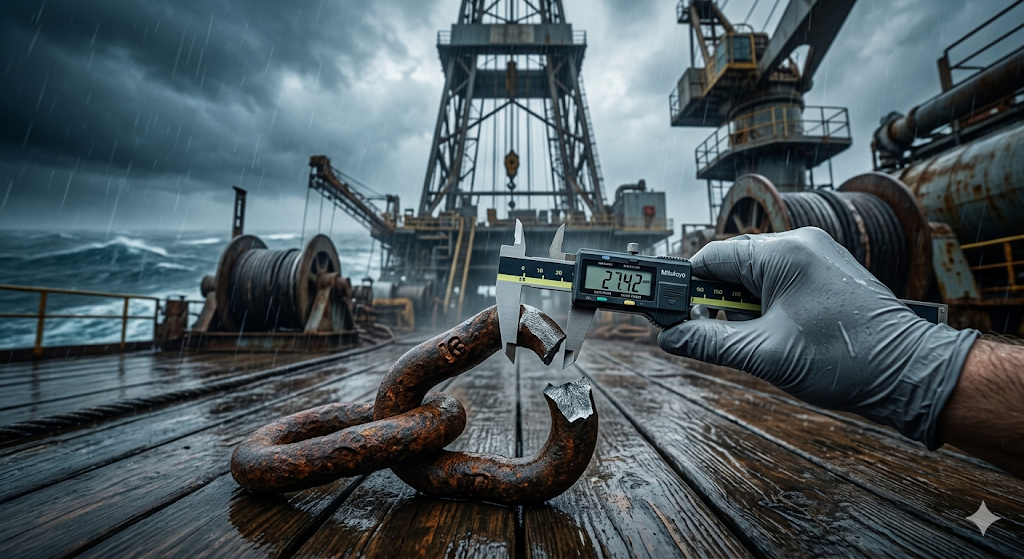
In 2026, apart from employer negligence, a maritime worker has the option to file a lawsuit for Unseaworthiness. This legal concept operates under “strict liability,” where there is no need to demonstrate that the owner acted negligently; instead, it is enough to show that a piece of equipment on the ship was not suitable for its intended use. Instances like a corroded ladder, a worn winch cable, or an inadequately trained crew can render a vessel “unseaworthy” according to Texas courts.
Based on my experience, claims of unseaworthiness are crucial aspects of legal battles in the maritime industry. If a piece of equipment malfunctions and leads to your injury, the vessel owner holds responsibility for your losses regardless of their intentions. This approach enables us to tap into the substantial insurance coverage carried by multinational drilling companies. Essentially, the ship itself must be a secure instrument, and if it fails, the owner bears the consequences.
Common examples of unseaworthiness:
- Defective Equipment: Broken drills, failed blow-out preventers, or faulty pressure valves.
- Inadequate Crew: Not having enough hands on deck to safely perform a lift or a transfer.
- Lack of Safety Gear: Failing to provide high-quality harnesses, breathing apparatuses, or survival suits.
- Oily Decks: Failing to maintain a non-slip environment in high-traffic work areas.
Warning: The “vessel” doesn’t have to be a ship. In 2026, mobile offshore drilling units (MODUs), jack-up rigs, and even certain floating platforms are legally considered vessels.
Maritime vs. Onshore Work Injury Compensation
| Feature | Standard TX Work Injury | Jones Act / Maritime Claim |
| Right to Sue Employer | Often Barred (if Subscriber). | Always Allowed for Negligence. |
| Pain and Suffering | Not Included in Workers’ Comp. | Full Recovery Available. |
| Choice of Doctor | Insurance company chooses. | You choose your specialist. |
| Average Settlement | $25k – $150k. | $500k – $5,000,000+. |
Proving Fault in Complex “Multi-Party” Rig Accidents
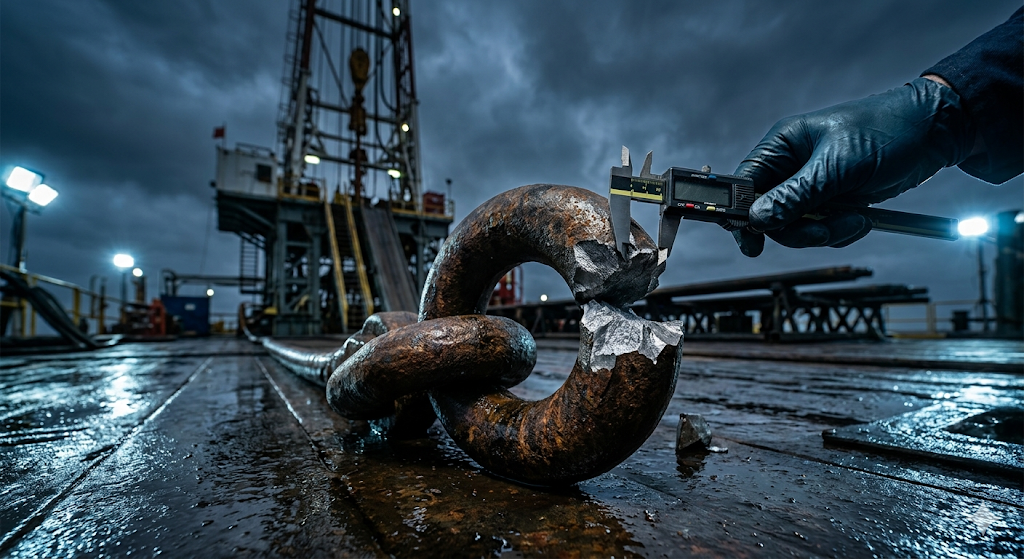
An oil platform functions as a bustling community on the sea, housing numerous companies operating simultaneously. When an explosion occurs, determining responsibility can be complex. Is it the fault of the drilling contractor, the tool pusher, or the manufacturer of the cement casing? Based on my experience, resolving such incidents involves the expertise of Forensic Engineers and Subsea Specialists who meticulously analyze every moment of the event.
By the year 2026, we utilize “Digital Twin” technology to replicate the setting of the platform and pinpoint the exact breakdown in safety procedures. Through the identification of Third-Party Accountability, legal action can be taken against the maker of a faulty drill bit, alongside pursuing a Jones Act claim against your employer. This approach maximizes the available insurance coverage, often resulting in settlements that encompass long-term specialized medical treatment. Ultimately, we track the flow of money from the rig’s operations to the executive offices in Houston or London.
How we build an offshore case:
- Black Box Extraction: Retrieving data from the platform’s control systems.
- Heli-Port Records: Tracking who was on the rig and what their certifications were.
- Maintenance Logs: Proving the company skipped a 500-hour inspection to save time.
Common Legal Questions Regarding Oil Rig Injuries
What if I signed a “Liability Waiver” before going offshore?
In Texas and according to Federal Maritime Law, the majority of “pre-accident waivers” are not valid. A business is unable to make you give up your entitlement to a secure work environment. If you have agreed not to file a lawsuit in case of injury, there’s no need to be concerned – a judge is likely to dismiss that agreement once the case is underway. The responsibility for a safe vessel is a duty that cannot be transferred by the owner.
Can I sue if the accident happened in “International Waters”?
Indeed. If you work as a sailor on a ship flying the US flag or if your employer is a company based in the US (such as those in Houston or Beaumont), you are covered by the Jones Act regardless of where the incident took place globally. Additionally, the Death on the High Seas Act (DOHSA) offers particular protections for families in case a family member is lost in a maritime accident beyond three nautical miles from the coast.
What is the statute of limitations for a maritime injury?
According to federal regulations, the time limit for filing a Jones Act or maritime negligence lawsuit is typically three years after the injury occurred. This exceeds the usual two-year restriction in Texas, but it is advisable not to delay. In maritime operations, ships may be renamed, businesses could go bankrupt, and witnesses might relocate abroad. Taking action within the initial 30 days is crucial to safeguard your evidence.
Conclusion
The offshore sector in Texas involves high levels of risk and high levels of potential gain. In cases where risks lead to tragic outcomes, the compensation should be substantial to acknowledge the significant sacrifices made. Utilizing the Jones Act, demonstrating Unseaworthiness, and pinpointing Multi-Party Liability can help you obtain a settlement that enables you to rebuild your life with respect. After dedicating your career to fueling the world, it’s time to rely on legal avenues to support your healing process.
Key Takeaways:
- Know Your Status: Confirm if you are a “Seaman” to unlock Jones Act protections.
- Maintenance is Immediate: Your employer must pay your bills while you wait for a settlement.
- Vessel Owners are Liable: Even if they weren’t “negligent,” the ship must be seaworthy.
- Don’t Wait for OSHA: Maritime law is its own universe; get a specialist on the case immediately.
Concentrate on your surgery and rehabilitation. Allow the international legal professionals to manage the fight against the large energy corporations. It is your entitlement to feel secure while on the water, and if that security is violated, you deserve the maximum compensation available.
IMPORTANT LEGAL DISCLAIMER: This article is intended for informational and educational purposes exclusively and should not be considered as legal counsel. Legal regulations differ depending on the state and region. Each case of accidents and injuries is individual. If you have sustained an injury, it is advisable to seek guidance tailored to your circumstances from a competent personal injury lawyer in your locality.