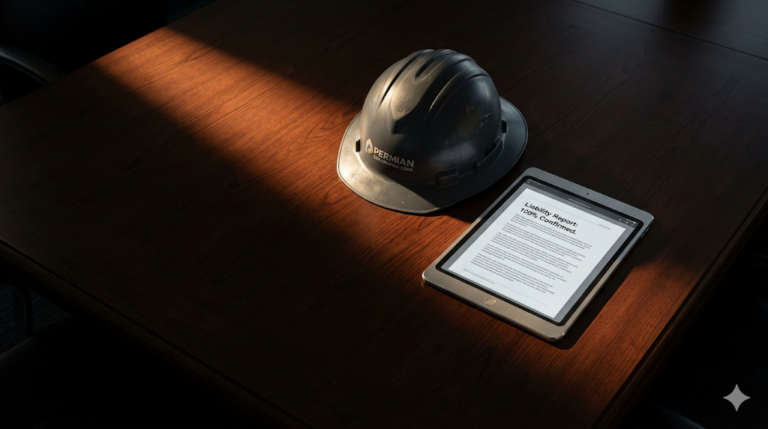
Product Liability: Holding Corporations Accountable for Defective Products in 2026
The items you welcome into your home are usually trusted. Whether it’s the vehicle you drive, the tools you depend on for work, or the gadgets that are essential to your daily routine, you rely on their safety. However, this trust can be shattered in an instant. It could be a lithium battery in your laptop exploding, a critical component in your car failing during high-speed travel, or a medical device causing harm instead of healing. Suddenly, you transition from being just a consumer to becoming a victim of corporate neglect. The aftermath might involve accumulating medical expenses and missing work, all because a massive corporation decided to compromise on safety measures.
By 2026, Product Liability cases in Texas have evolved into some of the most intricate and costly legal battles within the civil justice system. Unlike a typical car accident where one driver is usually found at fault, a defective product case involves scrutinizing an entire corporation’s design and production processes. These corporations have dedicated teams of engineers and legal experts whose main task is to argue that the product was safe and any issues arose due to improper use. This piece will outline the three categories of product defects, the significance of Strict Liability, and provide guidance on navigating the “Stream of Commerce” to seek justice. Ultimately, it’s crucial to understand that a company boasting a “Made in USA” or “High-Tech” label does not exempt them from legal responsibilities.,
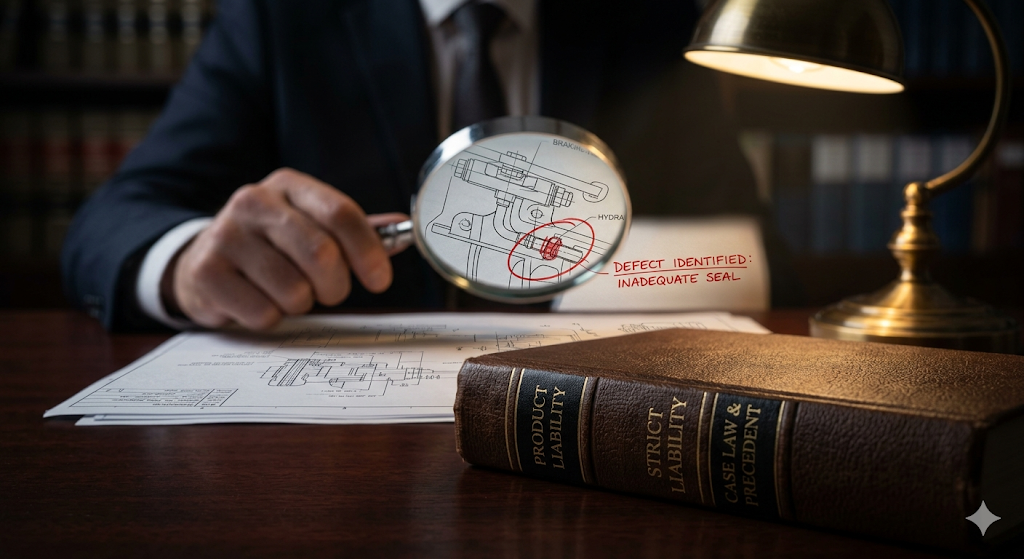
The Three Pillars of Product Defects: Design, Manufacturing, and Marketing
In Texas, there is no need to specifically demonstrate how a company was negligent; the focus is on proving that the product itself was flawed. There are three criteria to establish when a product is deemed “unreasonably dangerous.”
One criterion is a Design Defect, indicating that the product was hazardous even before it was manufactured due to a flawed blueprint or plan. For instance, if a 2026 SUV is designed with a high center of gravity leading to rollovers during normal driving, the entire product line is considered defective.
The second criterion is a Manufacturing Defect, where the original design was sound, but errors occurred during the manufacturing process. This could involve incidents like brake pads being tainted with the wrong material or a crucial weld being missed by a robot on the assembly line.
The third criterion is a Marketing Defect, or “Failure to Warn,” which arises when a product poses a hidden danger, and the company fails to provide adequate instructions or warning labels. For example, if a potent cleaning agent can cause blindness but the container lacks any mention of eye protection, the company is responsible for any resulting injuries.
What we look for in a product claim:
- Testing Data: Did the company hide internal tests that showed the product was dangerous?
- Consumer Complaints: Were there thousands of similar injuries that the company ignored?
- Alternative Designs: Was there a safer way to build the product that wasn’t much more expensive?
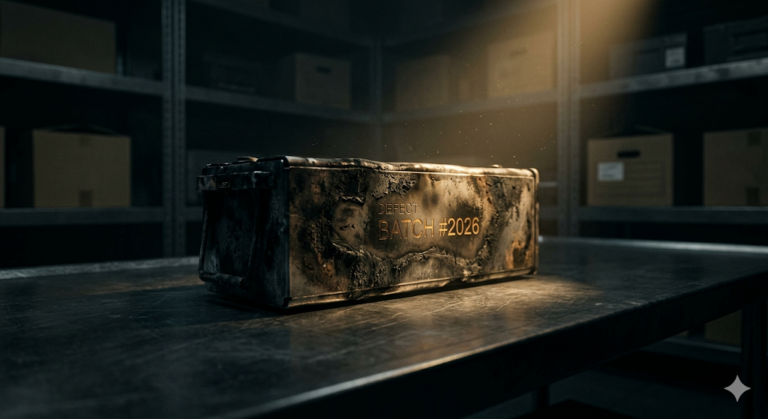
Practical Tip: Do not throw away the product. Even if it is charred, broken, or in pieces, it is the single most important piece of evidence in your case. If you lose the product, you likely lose your claim.
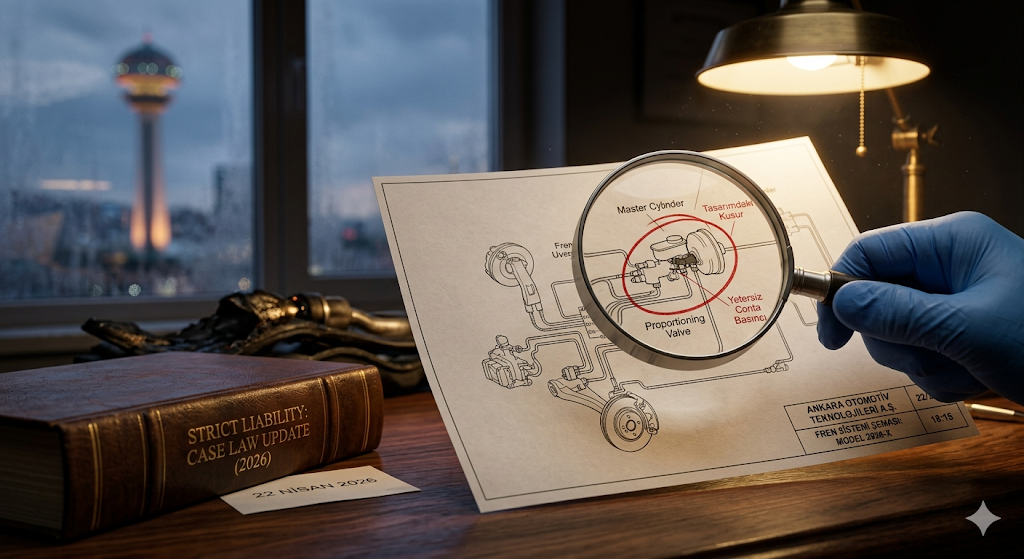
The Power of Strict Liability in Texas Law
One of the key concepts that will be crucial for victims in 2026 is Strict Liability. In a typical personal injury lawsuit, you are required to demonstrate that the other party was “negligent” (careless). However, in cases involving product liability, there is no need to prove that the company was negligent. The focus is on showing that the product had a defect which directly led to your injury.
From my perspective, this legal principle is a valuable tool for consumers. It signifies that even if a company adhered to all regulations and made efforts to ensure safety, they can still be held accountable if their product causes harm. Ultimately, the obligation for ensuring safety rests with the manufacturer, not the consumer. Nevertheless, the company may counter with the “State of the Art” defense, claiming that at the time of production, there was no superior method to manufacture the product.
How we defeat the “State of the Art” defense:
- Expert Engineers: We hire specialists to prove that a safer design did exist.
- Competitor Comparison: Showing that other companies were already using safer technology.
- Cost-Benefit Analysis: Proving that the safer design would have only cost a few cents more per unit.
In my experience, juries have very little patience for multi-billion-dollar corporations that prioritize a 2% profit increase over human life.
The “Stream of Commerce”: Who Can You Sue?
| Party Involved | Why They Are Liable | Benefit to Your Claim |
| The Manufacturer | They created the dangerous design or assembly. | They usually have the largest insurance policies. |
| The Distributor | They moved the product despite knowing of risks. | An extra layer of liability in multi-state cases. |
| The Retailer | They sold a product they knew (or should have known) was recalled. | Local businesses are often easier to sue in local Texas courts. |
| Component Maker | If a specific part (like a battery or a chip) caused the fail. | Targets the specific source of the mechanical failure. |
Lithium Battery Fires and 2026 Tech Failures
As we progress into 2026, the sophistication of our products has advanced. Nowadays, numerous product liability lawsuits revolve around failures of Lithium-Ion Batteries in a variety of devices, ranging from electric cars to high-end gaming laptops and medical implants. When these batteries experience “Thermal Runaway,” they don’t simply malfunction but sometimes explode, emitting intense heat and harmful smoke.
Based on my expertise, handling these cases necessitates a specialized legal team. We delve into whether the “Battery Management System” (BMS) had flaws or if the physical structure of the battery was insufficiently robust to prevent punctures. The key point here is that the cutting-edge technology in your household should offer the same level of safety as a toaster from four decades ago. Should the technology falter, the company responsible for its creation should bear the cost of the resulting damage.
Specific tech failures we investigate:
- AI Software Glitches: Automated systems in vehicles that fail to recognize obstacles.
- Overheating Components: High-performance hardware that lacks adequate cooling, leading to fires.
- Data Privacy Breaches: Connected devices that fail to secure your private information.
Practical Tip: If an electronic device begins to hiss, smoke, or bulge, take a video of it immediately (from a safe distance). This digital evidence is vital for proving the failure happened as you described.
Common Legal Questions Regarding Defective Products
What if I modified the product before I got injured?
This defense is commonly used by insurance companies. They may argue that the modifications you made, such as enhancing a car’s engine or altering a device’s software, led to the issue. Nonetheless, in Texas, you have a chance to win if we can demonstrate that the modification did not cause the defect. For instance, if you upgraded your car’s stereo and the brakes malfunctioned due to a flaw in the factory design, your modification should not impact your eligibility for compensation.
How does a “Recall” affect my product liability lawsuit?
A recall serves as significant evidence in your favor, as it publicly acknowledges that the product is hazardous, whether initiated by the company or a government agency like the CPSC. Yet, a recall alone does not guarantee your victory. It is crucial to demonstrate that the identified defect in the recall directly led to your injury. On the other hand, in cases where no recall has been issued, you still have the option to file a lawsuit. It is common for companies to delay recalls until facing numerous lawsuits from affected individuals.
Is there a time limit for suing a manufacturer in Texas?
Certainly! Certainly! There are two main aspects to consider. Initially, there is the Statute of Limitations, typically set at two years from the time of the injury. Secondly, especially crucial in product-related instances, Texas enforces a Statute of Repose. This regulation essentially bars lawsuits against a manufacturer for products sold over 15 years ago, regardless of any defects. Therefore, it is crucial to act promptly following an injury to safeguard your legal entitlements.
Conclusion
Product liability is centered around the basic entitlement to safety in contemporary society. Consumers should not require technical knowledge to use their purchased goods safely. Familiarizing yourself with the three categories of defects, utilizing Strict Liability, and ensuring that all entities involved in the distribution process are responsible, can help you obtain the necessary compensation for your healing process. Regardless of whether it is a common household appliance or a sophisticated medical device, companies are obligated by law to safeguard the individuals utilizing their products.
Key Takeaways:
- Save the Evidence: Never throw away the defective product or its packaging.
- Three Ways to Win: You can prove a defect in design, manufacturing, or marketing.
- Strict Liability: The focus is on the product’s danger, not just the company’s intent.
- Watch the Repose: Be aware of the 15-year limit for older products in Texas.
Focus on your healing and your family. Let the experts in engineering and law dismantle the corporate defenses. You deserve to live in a world where the products you use are safe, and when they aren’t, the law is there to make it right.
IMPORTANT LEGAL DISCLAIMER: This article is intended for educational and informational purposes solely and should not be considered as legal counsel. Regulations differ depending on the state and location. Each accident and injury claim is distinct. If you have sustained an injury, it is recommended to seek guidance from a competent personal injury lawyer in your vicinity for tailored advice.