Negligent Security: Seeking Justice When Property Owners Fail to Protect You in 2026
As you make your way to your car in a poorly lit apartment parking lot or a luxurious hotel in downtown Houston or Dallas, you likely trust that as a paying tenant or guest, the property ensures your safety. However, you find yourself targeted in a sudden assault, robbery, or violent encounter, leaving you with physical injuries and lasting emotional trauma. In the aftermath, you feel like a victim of a crime that appeared random. But was it truly random, or could it have been prevented if the property owner had invested in basic security measures like locks, security guards, or proper lighting?
In 2026, Negligent Security, a specialized area of Premises Liability law, serves as a significant legal recourse for crime victims. Texas law mandates that businesses and landlords must provide “reasonable security measures” to prevent foreseeable criminal activities. If a property owner was aware of a high crime rate in the vicinity but neglected to enhance security measures such as securing gates or monitoring cameras, they can be held legally accountable for any harm caused to you. This article will outline how the concept of “Foreseeability” is proven, what constitutes inadequate security, and how to seek compensation that addresses both your physical and emotional well-being. Ultimately, it is crucial to recognize that your safety was the responsibility of the property owner, and their negligence comes with consequences.
Proving “Foreseeability”: The Key to a Negligent Security Claim
In a negligent security case, the key concept to focus on is foreseeability. Property owners are not accountable for all crimes that occur, but they are liable for ones that could have been anticipated. In Texas, this is demonstrated by examining the “Prior Similar Incidents” in or around the property. For instance, if a shopping mall’s parking lot has had five robberies in the past six months, a sixth one can be deemed foreseeable under the law.
From my own practice, insurance companies often claim that the crime was an “unexpected action by a third party.” To counter this argument, we delve into local police reports and records of “Call for Service.” By demonstrating that the owner had “Constructive Notice” – meaning they were aware of the area’s hazards but prioritized profits over your safety – we establish that if there was a disregard for a history of violence, the owner shares responsibility with the perpetrator.
Evidence used to prove foreseeability:
- Police Reports: Documenting a history of violent crime at the exact location.
- Internal Security Memos: Proving employees had asked for more security before you were hurt.
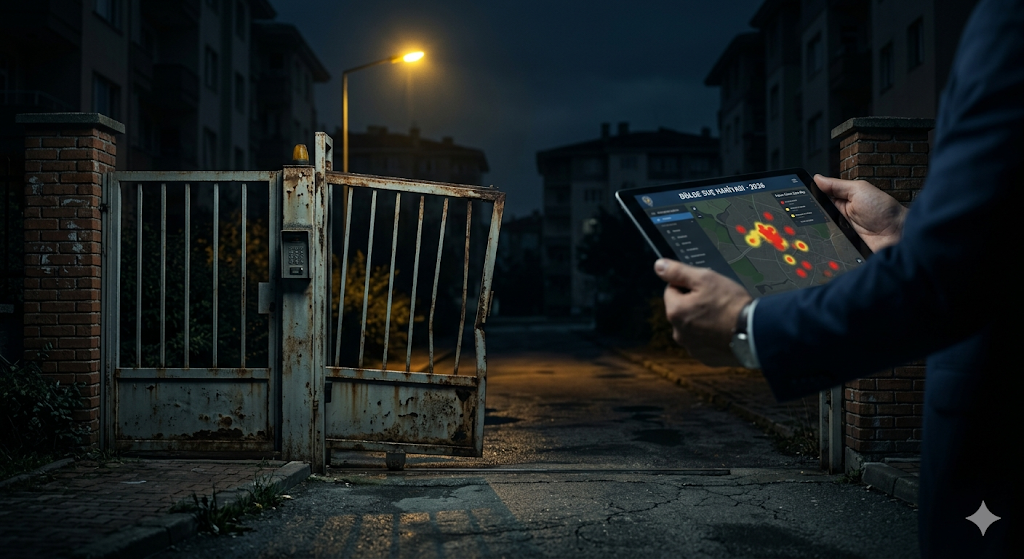
- Crime Mapping: Using 2026 data analytics to show the property was a “hotspot” for criminal activity.
- Expert Testimony: Hiring security consultants to testify that the existing measures were “grossly inadequate.”
Practical Tip: If you are a victim of a crime, ask the neighbors or other tenants if similar incidents have happened recently. Their testimony is often the “missing link” that proves the owner knew about the danger.
What Counts as “Inadequate Security” in 2026?
Neglecting security isn’t limited to just having a guard stationed at the entrance. It involves a breakdown of the entire safety setup. In 2026, technology plays a significant role in ensuring security. For instance, if a hotel utilizes electronic key cards but fails to update the software to prevent hacking, or if an apartment complex has a broken “security gate” left unrepaired for an extended period, this constitutes negligence.
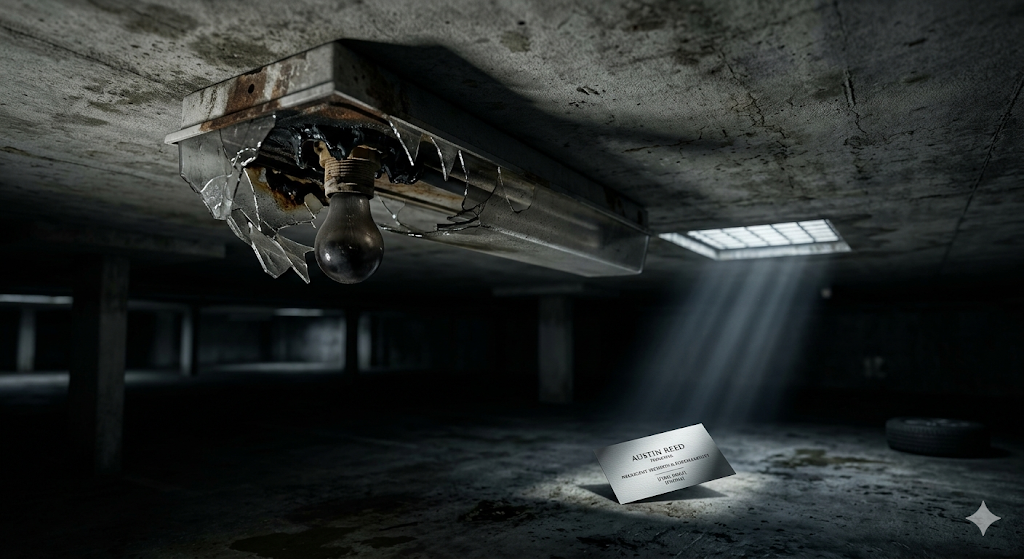
From my observations, the most frequent shortcomings are often the most basic ones. Such as burnt-out light bulbs in stairwells, untrimmed bushes that create hiding spots for potential attackers, or the absence of operational security cameras are the root causes of numerous substantial settlements. Property owners may argue they made efforts, but the law mandates them to take reasonable actions. Ultimately, an inactive “security camera” serves as a marketing tool rather than a safety precaution.
Common examples of security failures:
- Inadequate Lighting: Dark parking lots or hallways that invite criminal activity.
- Broken Locks or Gates: Failing to secure entry points to a building or complex.
- Lack of Security Personnel: Failing to hire guards when a property has a history of violence.
- Negligent Hiring: Hiring security guards with a criminal history or failing to train them properly.
- Failure to Warn: Not telling tenants about a recent spike in robberies in the building.
The Payout: Recovering Damages Beyond Physical Injuries
| Damage Category | Why It Is Higher in Negligent Security | Legal Strategy |
| Psychological Trauma | Victims often suffer from PTSD and severe anxiety. | Use psychiatric experts to value emotional distress. |
| Maximum Medical Improvement | Physical wounds heal, but “fear of public spaces” can be permanent. | Argue for long-term therapy and lifestyle adjustments. |
| Lost Earning Capacity | If the victim can no longer work in a public-facing job due to fear. | Use vocational experts to calculate 30-year losses. |
| Punitive Damages | Awarded if the owner showed “conscious indifference” to safety. | Prove the owner ignored specific safety audits to save money. |
The Role of “Security Standard of Care” Experts
In a case involving inadequate security measures, we do not speculate about what the property owner should have done. Instead, we enlist the help of Professional Security Consultants. These specialists assess the premises and compare it against the accepted “Standard of Care” within that particular field. For instance, a high-end jewelry store located in a bustling urban setting is held to a much higher standard of care compared to a small dry cleaning business in the suburbs.
Essentially, these experts evaluate the security “layers” in place. Did the owner employ physical deterrents like fences, electronic safeguards such as alarms, and human resources like security personnel? If any layer was missing, allowing the criminal access, the owner can be held responsible. The key point here is that we rely on established safety procedures in the industry to demonstrate that the owner’s negligence directly led to your injury.
What our experts analyze:
- Access Control: How easy was it for a non-resident to get inside the building?
- Surveillance Efficacy: Were the cameras positioned correctly to deter crime?
- Employee Training: Did the staff know what to do when they saw a suspicious person?
In my experience, the insurance company will hire their own expert to say the security was “adequate.” Our job is to prove it was only “adequate” for a low-crime area, not the high-risk location where you were hurt.
Common Legal Questions Regarding Inadequate Security
Can I sue if the criminal was never caught or convicted?
Indeed, a negligent security civil lawsuit is distinct from a criminal proceeding. It is not necessary to have an arrest or a conviction to succeed in your claim. While a criminal case is centered on penalizing the offender, a civil case aims at making the property owner answerable for creating conditions that facilitated the crime. Often, a settlement can be obtained even if the wrongdoer remains unknown.
What if I was partially at fault for being in a dangerous area?
In Texas, the Modified Comparative Fault rule is applied. The insurance provider may claim that you were aware of the risks or were not paying attention. Yet, in cases of negligent security, this defense is not very strong. It is the property owner’s responsibility to shield you from potential hazards. If you were a customer or renter, you were authorized to be there. If your responsibility is 50% or less, you can still receive a substantial compensation.
How much is a “typical” negligent security settlement in Texas?
Settlements for these cases, which typically revolve around violent offenses and considerable emotional distress, are frequently more substantial compared to typical slip-and-fall incidents. Compensation can vary from $100,000 for minor harm to more than $1,000,000 for incidents encompassing severe assault, sexual abuse, or lasting disability. The amount is influenced by the extent of the property owner’s carelessness and the enduring effects on your psychological well-being and capacity to work.
Conclusion
Experiencing a crime can be a distressing event that may impact you for an extended period. However, you do not have to bear the financial consequences of the crime by yourself. In Texas, it is acknowledged that safety is a joint effort. By demonstrating Foreseeability and revealing the Insufficient Security practices of a careless property owner, you can obtain the necessary compensation for your physical and mental well-being. Do not allow a company’s wish to cut security expenses to shape your future.
Key Takeaways:
- Foreseeability is Everything: A history of crime in the area is your best evidence.
- Technology Matters: In 2026, broken cameras and unmonitored gates are unacceptable.
- Emotional Trauma is Real: You are entitled to damages for PTSD and mental anguish.
- Corporations Pay: Hold the hotel, mall, or apartment complex accountable for their shortcuts.
Focus on your healing and reclaiming your sense of safety. Let the legal professionals handle the complex battle against the property owners and their insurance teams. You have a right to be safe, and when that safety is compromised, you have a right to justice.
IMPORTANT LEGAL DISCLAIMER: This article is intended for educational and informational purposes exclusively and should not be considered as legal counsel. Regulations differ depending on the state and region. Each accident and injury lawsuit is distinct. If you have sustained an injury, it is recommended to seek guidance from a skilled personal injury lawyer in your locality tailored to your circumstances.