Drunk Driving Accidents in Texas: Pursuing Punitive Damages and Dram Shop Liability in 2026
On a typical Friday night in Austin or San Antonio, while driving home safely, you are suddenly struck head-on by a car that veers across the median. The driver appears intoxicated, stumbling with slurred speech and a strong smell of alcohol. Your life is instantly turned upside down due to someone else’s selfish and reckless decision. In the aftermath of the accident, you experience a mix of physical pain and deep anger. Beyond seeking payment for medical expenses, you desire justice. You aim for accountability not only from the driver but also from anyone who contributed to their intoxication.
In 2026, Texas takes a strict stance on handling drunk driving (DUI/DWI) incidents within the legal system. Unlike a typical “accident,” a DUI collision involves Gross Negligence, which can lead to compensation beyond covering medical costs. This article explores avenues to pursue Punitive Damages and highlights the significance of Texas Dram Shop Laws, which hold establishments liable for serving alcohol to individuals who then cause harm. Ultimately, in cases where tragedies could have been prevented, the legal system offers a means to seek retribution against all negligent parties involved.
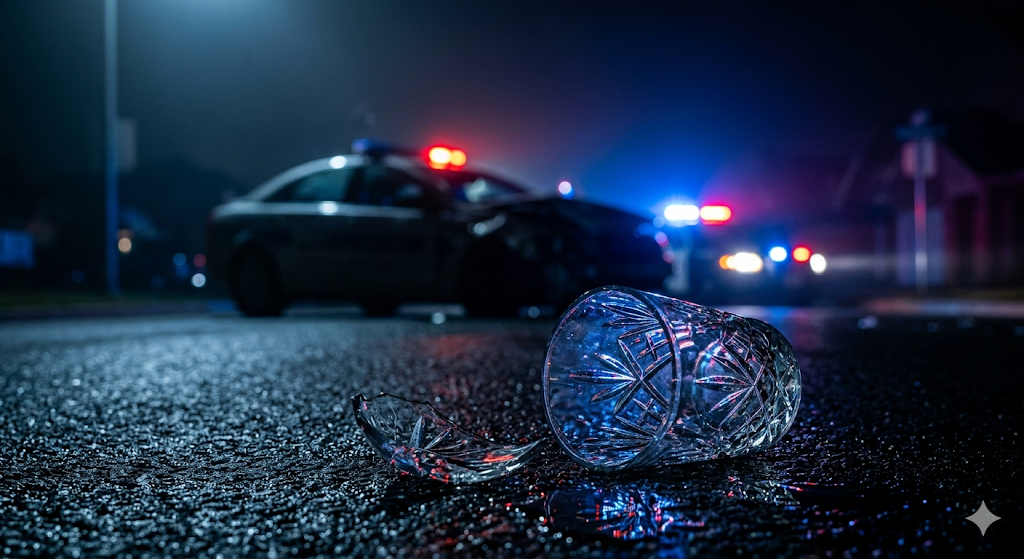
The Legal Concept of Gross Negligence and Punitive Damages
In a typical car accident case, you seek compensation for “compensatory damages” which aim to cover your real losses. However, when a driver decides to drive under the influence, they demonstrate a lack of concern for the safety of others. In Texas, this behavior is considered Gross Negligence, which is the crucial factor that enables the pursuit of Punitive Damages, also known as exemplary damages.
From my perspective, punitive damages stand out as a potent weapon in the toolbox of a personal injury attorney. Their purpose is not to cover your expenses but to penalize the defendant and send a message to society. Even though Texas has limitations on these damages, they can lead to a settlement that is two to four times higher than a standard case. Essentially, the careless actions of an intoxicated driver transform a routine insurance claim into a significant demand for responsibility.
To win punitive damages, we must prove:
- Clear and Convincing Evidence: A higher standard of proof showing the driver knew the risk and ignored it.
- Extreme Intoxication: Using blood-alcohol content (BAC) levels to prove total impairment.
- Prior History: Evidence of previous DUIs that the driver chose to ignore.
Practical Tip: Always request the “Dashcam” and “Bodycam” footage from the arresting officer. Seeing the driver fail a field sobriety test is the most effective way to convince a jury that punitive damages are necessary.
Texas Dram Shop Liability: Holding the Bar Accountable
Many individuals fail to recognize that responsibility doesn’t solely lie with the driver. According to the Texas Dram Shop Act, a bar, club, or restaurant can be held accountable if they provided alcohol to a visibly intoxicated individual whose intoxication led to an accident. This is crucial as individual drivers often have limited insurance coverage, whereas established businesses typically carry substantial liability policies.
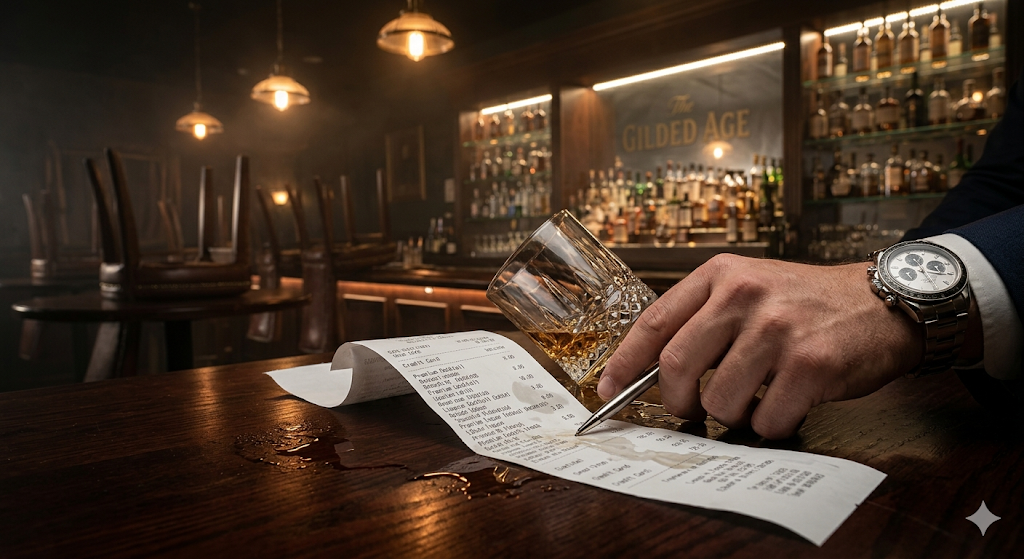
In my experience, the outcome of “Dram Shop” cases hinges on the evidence gathered from within the establishment. We search for receipts indicating excessive alcohol consumption by one person within a short timeframe. We scrutinize security footage revealing signs of impairment in the driver while the bartender continued to serve them. The key point is that if a business prioritizes profit over public safety, they bear just as much responsibility for your injuries as the driver involved in the accident.
Signs an establishment was negligent:
- Over-serving: Continuing to serve someone who is clearly drunk.
- Serving Minors: Selling alcohol to someone under 21 who later crashes.
- Lack of Training: Bartenders who aren’t certified in “Safe Service” protocols.
- Promoting Excess: “All you can drink” specials that encourage extreme intoxication.
Warning: Dram Shop cases have a very high “Burden of Proof.” You need a legal team that can move fast to subpoena the bar’s credit card records and employee schedules before they are “lost.”
Total Compensation: Who Pays in a DUI Accident?
| Payer Source | Type of Coverage | What it Covers | Legal Impact |
| Drunk Driver’s Policy | Bodily Injury Liability | Medical bills & pain/suffering. | Often limited to $30k – $100k. |
| The Establishment (Bar) | Dram Shop Insurance | Catastrophic losses & future care. | Access to Million-Dollar limits. |
| Your Own Policy | UM/UIM & PIP | Gaps in the driver’s coverage. | Critical if the driver was uninsured. |
| The Defendant’s Assets | Personal/Corporate Wealth | Punitive Damages. | Designed to punish and deter. |
Proving Intoxication: Toxicologists and Expert Witnesses
In a DUI case, the initial police report marks just the starting point. To enhance the chances of receiving the best possible compensation, we often enlist the expertise of Forensic Toxicologists. These specialists are capable of conducting “Retrograde Extrapolation” to demonstrate precisely what the driver’s blood-alcohol level was at the time of the collision, even if the test was conducted two hours later.
The challenge lies in the defense’s attempts to suggest that the driver appeared sober or that their BAC increased post-accident. A qualified toxicologist can counter these arguments with solid scientific evidence. Ultimately, by combining scientific findings with eyewitness accounts from the bar, the insurance company typically ceases resistance and moves towards reaching a reasonable settlement.
Evidence our experts analyze:
- BAC Results: Breathalyzer or blood test data from the night of the crash.
- Absorption Rates: How the driver’s body processed the specific amount of alcohol.
- Video Evidence: Analyzing the driver’s motor skills from gas station or bar cameras.
In my experience, the scientific evidence is what makes a jury feel comfortable awarding high non-economic damages for pain and suffering.
Comparative Negligence in Drunk Driving Cases
It may seem that if the other driver was intoxicated, they are automatically entirely responsible. In most instances, this is true. Nonetheless, insurance companies in Texas sometimes employ Modified Comparative Negligence to reduce their payout. They might suggest that you were driving too fast or had a faulty tail light that played a role in the accident.
In DUI cases, this strategy often fails for insurance companies. Juries tend to be unsympathetic towards an intoxicated driver trying to shift blame onto the victim. Nonetheless, you should still be ready to justify your actions. Demonstrating that you were an impeccable driver ensures that the full settlement amount goes to you, not back to the insurance company.
How we protect your 100% recovery:
- Accident Reconstruction: Using skid marks and vehicle data to show you did everything possible to avoid the hit.
- Black Box Analysis: Proving your speed and braking were within legal limits.
- Witness Statements: Using other drivers to confirm your safe driving patterns.
The bottom line is… a drunk driver’s guilt doesn’t automatically mean the insurance company will play fair. You still have to prove your case.
Common Legal Questions Regarding DUI Accidents and Dram Shop Laws
Can I take legal action against the bar even if the driver was never arrested for driving under the influence?
Yes, the criteria for a criminal arrest and a civil lawsuit under “Dram Shop” laws are distinct. Even if law enforcement lacked sufficient evidence for a criminal case, we can utilize receipts, testimonies from witnesses, and expert toxicology reports to demonstrate that the driver was clearly intoxicated when they were served alcohol. A civil case revolves around proving the business’s negligence, regardless of the driver’s criminal history.
What does the “Safe Harbor” defense for bars entail?
In Texas, there is a statute that shields bars if they can demonstrate three things: they mandated employees to complete TABC-endorsed training, the staff member indeed attended the training, and the employer did not in any way push the employee to breach the law. Through my experience, we often can undermine this defense by revealing that the bar fostered a culture of over-serving or that they disregarded their own training to maximize profits on a busy night.
Does the compensation I receive include funds for future medical issues?
Certainly. Due to the fact that accidents involving drunk driving typically result in high-speed crashes and head-on collisions, the resulting injuries are usually enduring. Your compensation should encompass not only your current medical expenses but also future medical procedures, rehabilitation, and any potential loss of income. We engage Life Care Planners to ensure that your compensation will suffice for the remainder of your life, not just for the immediate future.
Conclusion
Suffering an accident caused by an intoxicated driver goes against the fundamental trust we have while driving. However, Texas law empowers you to take action. By seeking Punitive Damages from the driver and applying Dram Shop Liability against irresponsible businesses, you can obtain the support necessary for your complete healing. Make sure that neither a negligent establishment nor an irresponsible individual escapes accountability for the harm they have inflicted.
Key Takeaways:
- Punish Negligence: Always ask your lawyer about pursuing punitive damages.
- Look Beyond the Driver: Investigating the bar or restaurant can uncover million-dollar policies.
- Preserve Evidence: Act fast to secure bar receipts and security footage.
- Science Wins: Use toxicologists to prove impairment when the defense tries to deny it.
Focus on your physical healing and your family’s peace of mind. Let the legal experts handle the complex web of liability. You have the right to be made whole, and you have the right to ensure this never happens to another family.
IMPORTANT LEGAL DISCLAIMER: This article is intended for educational and informational purposes exclusively and should not be considered as legal guidance. Regulations differ depending on the state and area. Each accident and injury lawsuit is distinct. If you have been hurt, it is recommended to seek guidance from a competent personal injury lawyer in your locality tailored to your circumstances.