Pedestrian Accidents in Texas: Winning Your Case When You Are Most Vulnerable (2026)
You were just crossing the road, whether on your way to work or out for a jog in Houston or Austin. Despite following the rules, watching carefully, a driver preoccupied with their phone or in a hurry to beat a yellow light failed to see you. When a human body is hit by two tons of metal, there is no such thing as a minor accident. You could end up with fractures, internal damage, facing a lengthy recovery, while the driver often escapes unharmed. To complicate matters, the insurance company might try to argue that you were jaywalking or suddenly darted into traffic.
In 2026, dealing with Pedestrian Accident claims in Texas involves a struggle involving both the laws of physics and questions of liability. While Texas law does offer pedestrians significant protections, it also places strict responsibilities on them. Proving that the driver violated their “Duty of Care” is crucial to obtaining the substantial compensation necessary for severe orthopedic and neurological injuries. This article will discuss Texas laws regarding the “Right of Way,” strategies to counter the “Comparative Negligence” defense, and the importance of using digital evidence from intersection cameras to support your case. Ultimately, the aim is to ensure that sidewalks remain safe, and those who compromise that safety are held accountable.
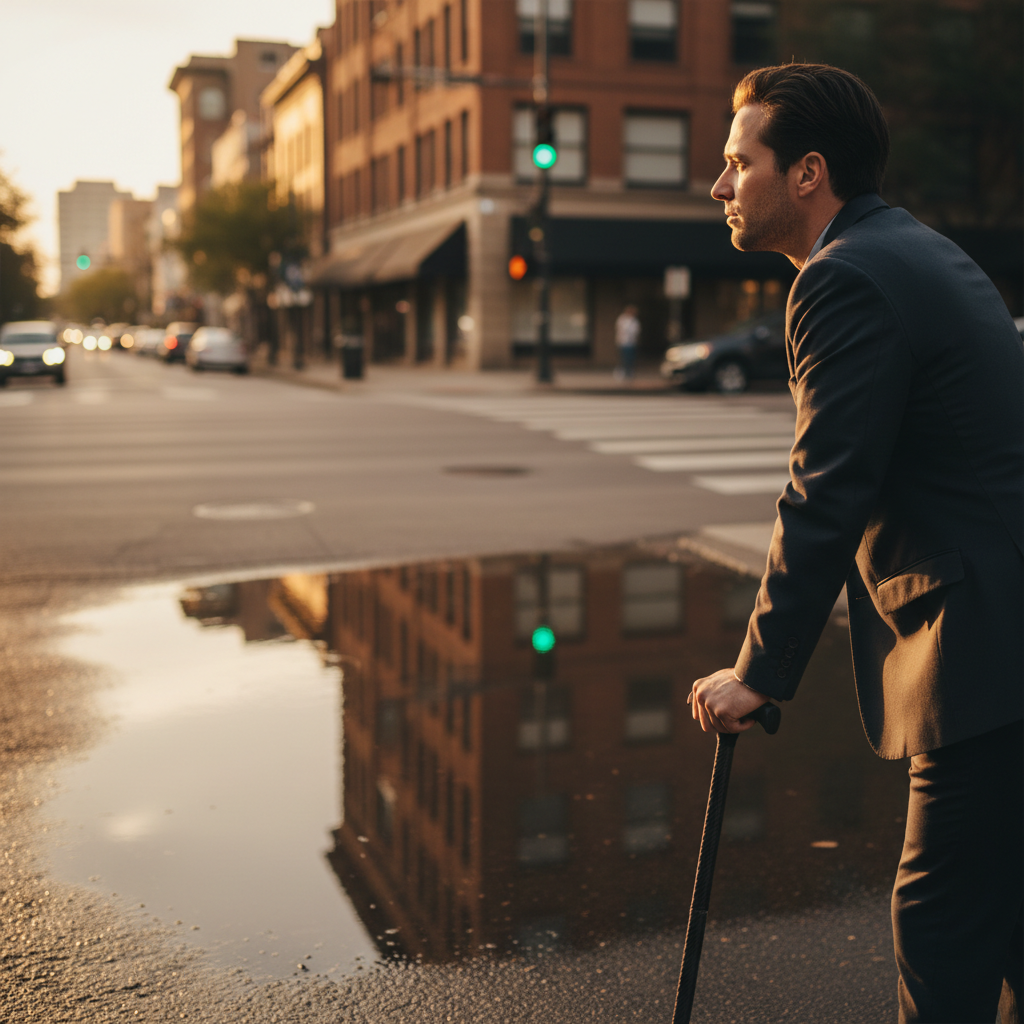
Understanding Texas “Right of Way” Laws in 2026
According to Texas law, drivers are required to use caution to prevent any collisions with pedestrians on any road. Even if a pedestrian is not in a designated crosswalk, drivers are obligated by law to either honk or take evasive action to prevent an accident. Nevertheless, the insurance company might use the Texas Transportation Code to claim that you did not yield the right of way.
Based on my experience, many cases involving pedestrians depend on whether the incident happened at a “controlled intersection” or in a “mid-block” area. If you were walking in a crosswalk with a “Walk” signal, the driver is almost entirely at fault. However, if you were crossing elsewhere, we need to demonstrate that the driver was either speeding or not paying attention, which would have made it unsafe for you to cross. Ultimately, having the “Right of Way” does not mean that a driver can act recklessly.
Common causes of driver negligence in pedestrian crashes:
- Failure to Yield: Turning left or right at a green light without checking for pedestrians.
- Distracted Driving: Texting or using infotainment systems while approaching a crosswalk.
- Speeding in School Zones: Violating the strict 20 mph limits designed to protect children.
- Reverse Accidents: Backing out of driveways or parking spots without using cameras or mirrors.
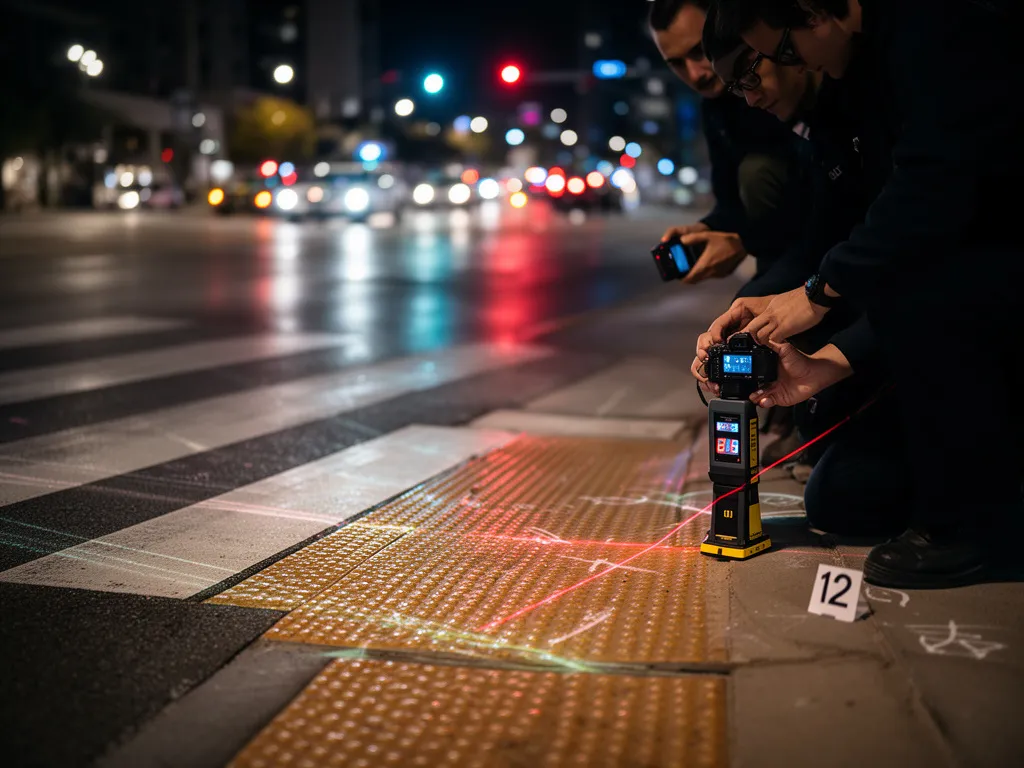
Practical Tip: If there are businesses nearby, ask them to preserve their security camera footage immediately. In 2026, most storefront cameras overwrite their data every 48 to 72 hours. That footage is often the only unbiased witness to the crash.
The “Comparative Negligence” Trap: Why They Blame the Victim
In Texas, a system of Modified Comparative Negligence is in place. This implies that if the insurance company manages to persuade a jury that you were 51% at fault for the accident (for instance, due to wearing dark clothing at night or being distracted by your phone), you will not receive any compensation.
Based on my observations, the defense attorney’s primary goal is to shift the blame to you and surpass the 50% threshold of fault. They may enlist “human factors” specialists to discuss your response time or visibility. To counter this tactic, we employ Accident Reconstruction experts who analyze the data from the vehicle’s “black box” to demonstrate that the driver had enough time to stop but did not. Our main objective is to prevent them from faulting the victim for the driver’s lack of attention.
Factors we use to defeat the “Jaywalking” defense:
- Lighting Conditions: Proving the area was well-lit and you were clearly visible.
- Driver Speed: Showing that if the driver had been going the speed limit, the impact wouldn’t have occurred.
- Sightlines: Using 3D modeling to show that the driver had an unobstructed view of the road.
Pedestrian Injury Settlements vs. Standard Car Accidents
| Feature | Standard Car-on-Car | Pedestrian vs. Car | Legal Impact |
| Injury Severity | Moderate (Airbags/Seatbelts). | Catastrophic (Direct Impact). | Pushes settlement into the millions. |
| Primary Defense | “The light was green.” | “The pedestrian darted out.” | Focuses on “Human Factors” experts. |
| Insurance Limit | Often the $30k Minimum. | High Demand for UM/UIM coverage. | Requires searching for multiple policies. |
| Average Medical Cost | $25,000 – $60,000. | $150,000 – $1,000,000+. | Requires a Life Care Planner. |
Proving Catastrophic Damages: Orthopedic and Neurological Focus
When a pedestrian is struck, the injuries usually fall into two main categories: Multiple Orthopedic Fractures (legs, pelvis, ribs) and Traumatic Brain Injuries (TBI) resulting from the secondary impact with the pavement. In Texas, individuals have the right to pursue compensation for Disfigurement and Physical Impairment, which differ from “Pain and Suffering.”
Based on my experience, the most costly aspect of a pedestrian’s claim is the long-term effect on their ability to move. If you are no longer able to walk unaided or if you need a permanent limb support, the defendant is accountable for covering the expenses of your future surgeries and your Loss of Earning Capacity. Ultimately, we shape your case around the “New You,” ensuring that the settlement accounts for a lifetime of specialized medical requirements.
Evidence used for high-value pedestrian claims:
- MRI and CT Scans: Proving internal organ damage or complex “shatter” fractures.
- Vocational Reports: Showing why a construction worker or nurse can no longer perform their physical duties.
- Neurological Testing: Documenting the cognitive decline following a head-on impact.
Common Legal Questions Regarding Pedestrian Rights
What if it was a “Hit and Run” and the driver is gone?
It’s a sad yet typical situation in 2026. If the responsible driver remains unknown, you can still receive compensation by using your personal UM/UIM (Uninsured Motorist) coverage. In Texas, your auto insurance coverage applies to you, not just your vehicle. If you are a pedestrian involved in an accident with an unidentified driver, your own insurance should cover your medical expenses and emotional distress. That’s why having substantial UM/UIM limits is the most beneficial choice for pedestrians.
Can I sue the city for a dangerous intersection design?
Certainly. In the event that the intersection has a hidden corner, incorrect signal timing, or does not have necessary pedestrian alerts, there is a possibility of filing a claim against the local government under the Texas Tort Claims Act. These situations can be challenging due to the concept of Sovereign Immunity. However, if the city was aware that the intersection was prone to accidents and took no action, they can be considered responsible for the design flaw.
What if I was hit while walking on the shoulder of a highway?
In Texas, pedestrians are mandated to use the sidewalk whenever it is available. In cases where there is no sidewalk, pedestrians should walk on the left side of the road, facing oncoming traffic. If you were abiding by these regulations and got hit, it indicates the driver’s negligence. However, if you were walking with your back to traffic, the insurance provider might claim comparative negligence. Yet, we can prevail by demonstrating that the driver was either drifting or exceeding the speed limit.
Conclusion
Getting struck by a vehicle is a serious threat to your safety. However, in the legal framework of Texas in 2026, your exposure becomes your strongest argument for seeking justice. By familiarizing yourself with Right of Way regulations, avoiding the Comparative Negligence pitfall, and making use of UM/UIM coverage, you can obtain a compensation package that accurately acknowledges the severity of your harm. Remember, you are a human being, not a mere victim. The legal system is in place to guarantee that you receive the respect and reparation that is rightfully yours.
Key Takeaways:
- Right of Way is Vital: Being in a crosswalk creates a nearly undeniable claim.
- Digital Proof Wins: Secure intersection and business camera footage within 48 hours.
- Fight the Blame: Don’t let the insurance company use “jaywalking” to deny your check.
- Use Your Own Policy: UM/UIM coverage is your safety net in hit-and-run cases.
Concentrate on your physical therapy and your overall recovery. Allow the legal experts to manage the thorough examination and the battle against the insurance adjusters. You deserve to feel secure when walking in your neighborhood, and if that safety is compromised, you are entitled to seek justice.
IMPORTANT LEGAL DISCLAIMER: This article is intended for informational and educational purposes exclusively and should not be considered as legal guidance. Legal regulations differ depending on the state and region. Each accident and injury lawsuit is distinct. If you have sustained an injury, it is recommended to seek guidance from a competent personal injury lawyer in your locality for tailored advice.