Uber and Lyft Accidents in Texas: Navigating the Three-Tier Insurance System in 2026
The emergence of ridesharing has significantly transformed the transportation scene in major Texas cities such as Austin, Dallas, and Houston. Yet, as of 2026, the complexity of these scenarios has tripled. It’s no longer just about freelance drivers using their own cars; now we are faced with Hybrid Autonomous Fleets, where an Uber vehicle could be operated by a person, a remote controller, or a fully integrated artificial intelligence system. In the event of an accident, the key question in Texas personal injury law is not only determining fault but also identifying which insurance policy was in effect at the precise moment of impact.
According to Texas Insurance Code Chapter 1954, rideshare firms (known as Transportation Network Companies or TNCs) must offer specific levels of insurance coverage. However, these coverage levels vary depending on the “Phase” of the ride. In 2026, insurance providers use Real-Time Telematics to potentially reduce your claim to a lower insurance category. To ensure you receive the highest possible compensation, you require a legal approach that can align GPS data, app records, and Texas liability laws to demonstrate which $1 million policy should cover your injuries.
1. The Three Periods of Rideshare Liability: The 2026 Standard
In Texas, the insurance coverage accessible to a person involved in an accident is determined solely by whether the driver was actively using the Uber or Lyft app when the incident occurred.
- Period 1 (App On, No Request): The driver is logged into the app but has not yet accepted a ride. In 2026, Texas law requires lower limits here (typically $50k/$100k/$25k). Insurance companies often fight to place accidents in this period to minimize payouts.
- Period 2 (Request Accepted, En Route): Once a driver accepts a trip and is heading to pick up a passenger, the coverage jumps significantly—often to a $1 million combined single limit.
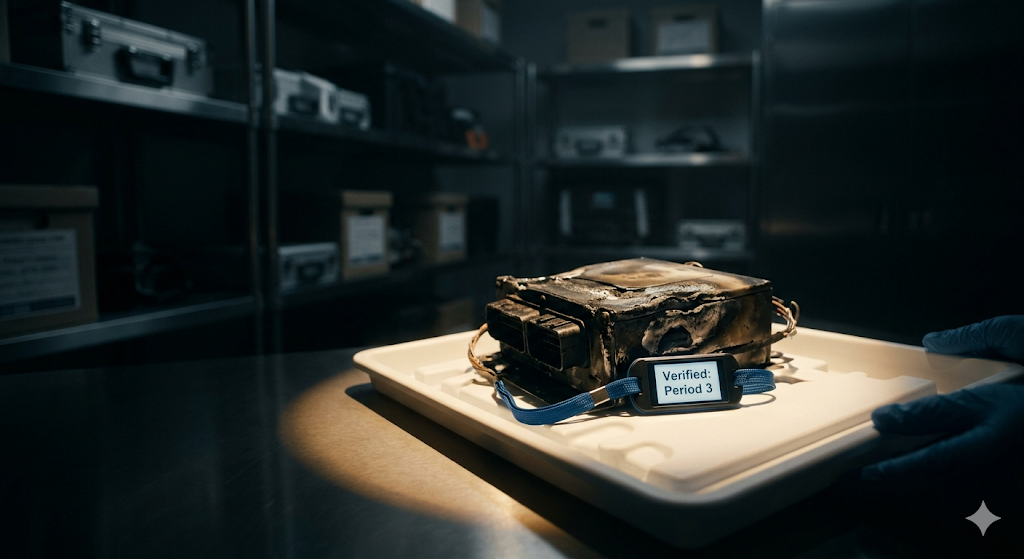
- Period 3 (Passenger in Vehicle): From the moment the passenger enters the vehicle until they exit, the full $1 million (or higher for autonomous fleets) policy is active.
The bottom line: In 2026, proving that a driver had “accepted a request” via App-Log Forensics is the difference between a $50,000 cap and a $1,000,000 recovery.
2. Autonomous Uber/Lyft Fleets: The 2026 Liability Shift
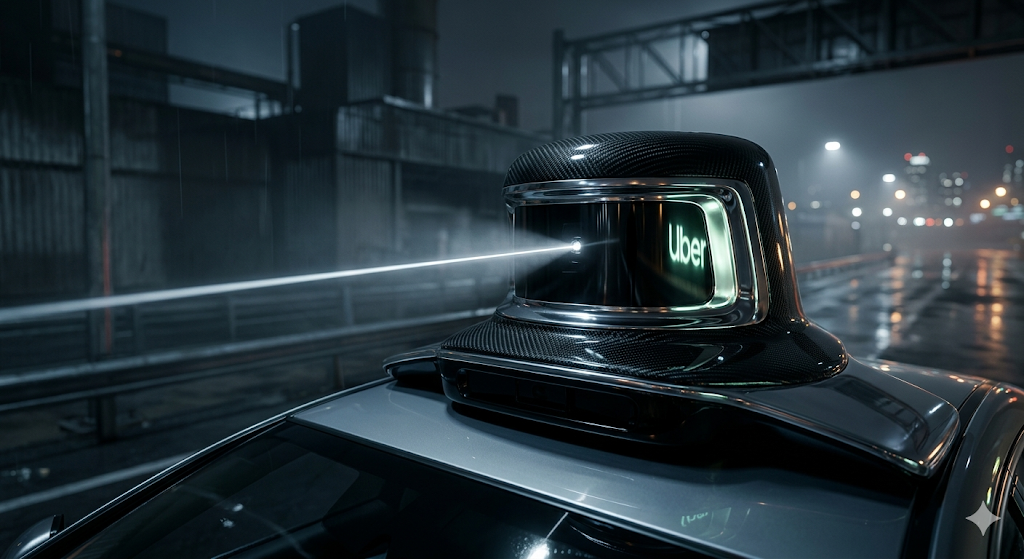
Texas has emerged as the main location for testing and launching Autonomous Rideshare Vehicles (AVs). In 2026, if an unmanned Uber or Lyft is involved in a crash, the legal focus will change from “Driver Negligence” to Product Liability and Systemic Negligence.
If you are hit by an autonomous rideshare vehicle, we no longer look at “distracted driving.” Instead, we investigate:
- Sensor Occlusion: Did the LiDAR fail to detect a pedestrian due to a hardware defect?
- Algorithm Bias: Did the AI prioritize the safety of the vehicle’s occupants over external actors?
- Remote Operator Latency: Did the human monitor in a remote operations center fail to intervene during a “system-out-of-design” event?
Under the March 2026 Texas Rule 166a updates, these cases require immediate E-Discovery of the vehicle’s “Decision Matrix” logs to survive a no-evidence motion.
Compensation Matrix: Economic vs. Non-Economic Damages (Rideshare)
| Damage Category | Examples in 2026 Rideshare Claims | Texas Recovery Standard |
| Economic Damages | Emergency room bills, AI-driven physical therapy, lost gig-economy income. | Uncapped (Proven with medical and financial records). |
| Non-Economic | Pain and suffering, anxiety regarding future travel, loss of consortium. | Uncapped (Based on jury perception of life impact). |
| UM/UIM Coverage | Protection if the rideshare driver or the “other” driver is uninsured. | Essential in Period 1 and Period 2 claims. |
3. The “Passenger Bill of Rights” and Third-Party Claims
As a passenger in a ride-sharing service like Uber or Lyft in Texas, you typically fall under the category of an “innocent party.” Regardless of whether the driver of the vehicle caused the accident or if you were hit by another car, you have the right to receive compensation. Legal proceedings in 2026 often revolve around Multi-Party Claims.
For instance, if a faulty tire on the Uber car bursts, we might file a claim against the tire maker (Third-Party) while also initiating a claim against Uber’s $1 million insurance policy. In Texas, the Proportionate Responsibility law (Chapter 33) enables us to seek compensation from any party found to share some degree of fault, ensuring that various insurance resources are accessible for severe injuries such as Traumatic Brain Injuries (TBIs) or spinal harm.
4. Common Rideshare Accident Questions (FAQ)
What if I was hit by an Uber driver who was “Off-Duty”?
If the application is turned off, the driver’s own insurance will be used. Nonetheless, some personal insurance policies in 2026 include a “Rideshare Exclusion,” which could lead to claim denial by the insurer. In such cases, a lawyer from Texas would need to search for “Hidden Log-ins” to activate Uber’s coverage.
Does Uber’s insurance cover my medical bills immediately?
In Texas motor vehicle cases, the insurance typically provides a one-time payment at the conclusion of the case. During this period, we utilize Letters of Protection (LOPs) to guarantee that you receive medical treatment comparable to that of 2026, without having to make any direct payments.
Can I sue Uber for “Negligent Hiring” in 2026?
Certainly. You have the option to take legal action in case Uber’s AI screening process does not identify a driver with a record of safety infractions or if they neglect to install an important software update on a self-driving car. This could lead to a lawsuit based on Direct Corporate Negligence, potentially resulting in Punitive Damages.
5. The Critical 24-Hour Window: Preserving App Data
In 2026, Uber and Lyft can update or refresh app data remotely. To safeguard crucial evidence like the driver’s speed, braking, and app status, a Preservation Letter should be promptly forwarded to the TNC’s legal team.
Maintaining accountability in the era of self-driving transportation hinges on Data Integrity. If the app indicates the driver was not working while the vehicle’s telematics reveal they were active, this disparity could lead to a substantial financial settlement.
Conclusion: Justice in the Era of Modern Transit
In the modern era of advanced technology and interconnectedness in Texas in 2026, it is crucial to protect your legal rights even when using ridesharing services like Uber or Lyft. A simple accident involving these services is now a complex legal issue involving data, insurance, and corporate responsibility. By understanding the Three-Period System, employing Digital Forensics, and applying the 2026 Texas Rules of Procedure, individuals from around the world can ensure they keep pace with the technology that is designed to advance them. Regardless of whether the driver was human or artificial intelligence, the law in Texas remains clear: those responsible for causing harm must compensate for the damages.
LEGAL DISCLAIMER: This article is intended for informational and educational purposes solely and should not be considered as legal counsel or the establishment of a lawyer-client connection. The laws concerning ridesharing (Texas Insurance Code Chapter 1954) and regulations for self-driving vehicles are constantly evolving due to legislative changes and court rulings in 2026. Each accident is different. If you have sustained injuries, it is advisable to seek advice from a certified Personal Injury Lawyer in Texas promptly to go over your individual rights and the relevant two-year time limit.